First in our “Basics of Fiber, Yarn, and Fabric” series
Selecting the right material starts with understanding fiber—the building block of every fabric.
Fibers fall into three main groups:
- Natural – grown by plants or animals
- Regenerated (Artificial/Man-made) – natural polymers chemically processed into fiber
- Synthetic – entirely petroleum- or chemical-based
Below is a professional, at-a-glance guide to nine key apparel fibers and how they perform in strength, abrasion resistance, drape, elasticity, shrinkage, dye absorption, and antistatic behavior.
| Fiber | Strength | Abrasion Resistance | Drape | Elasticity | Shrinkage | Dye Absorption | Antistatic |
|---|---|---|---|---|---|---|---|
| Wool | Moderate; weaker wet | Fair | Excellent | High (natural crimp) | High if untreated | Excellent | Good |
| Silk | High; weaker wet | Good | Outstanding, fluid | Low–Moderate | Low | Excellent | Good |
| Cotton | High; stronger wet | Good | Moderate | Low | Moderate unless preshrunk | Excellent | Fair |
| Flax / Linen | Very high; stronger wet | Good | Crisp, moderate | Very low | Moderate | Good | Good |
| Rayon | Moderate; weaker wet | Fair | Excellent | Low | High unless treated | Excellent | Good |
| Acrylic | Moderate–Good | Good | Moderate, wool-like | Moderate | Very low | Good (cationic dyes) | Poor unless finished |
| Nylon | Very high | Excellent | Moderate–Good | High | Very low | Moderate (acid dyes) | Poor |
| Polyester | Very high | Excellent | Good | Moderate | Very low | Good with disperse dyes | Poor |
| Polyurethane / Spandex | Moderate | Good | Depends on blend | Extremely high (up to 500 % stretch) | Very low | Limited; often solution-dyed | Poor |
The Burn Test: A Quick Identification Method
A simple, time-tested way to identify fiber content is the burn test.
By carefully burning a small, loose yarn or fiber sample and observing the flame, odor, and ash, you can distinguish between major fiber groups:
| Fiber Type | Flame/Behavior | Odor | Ash/Residue |
|---|---|---|---|
| Protein (Wool, Silk) | Burns slowly, self-extinguishes | Smells like burning hair | Brittle, crushable black bead |
| Cellulose (Cotton, Flax, Rayon) | Steady yellow flame | Paper/wood smell | Soft gray ash |
| Synthetics (Nylon, Polyester, Acrylic, Spandex) | Melts and shrinks before igniting | Chemical or sweet plastic odor | Hard, glossy bead |
Safety Note: Use only a few loose threads, work in a well-ventilated area, and keep water nearby.
The burn test is a quick screening tool—laboratory analysis is still the gold standard for exact fiber content.
Key Takeaways by Fiber
Natural Fibers
- Wool: Warmth, elasticity, and rich dye uptake—ideal for suits, knits, and outerwear.

- Silk: Luxurious drape and sheen, perfect for high-end dresses and linings.

- Cotton: Versatile and strong, excellent for everyday apparel and shirtings.

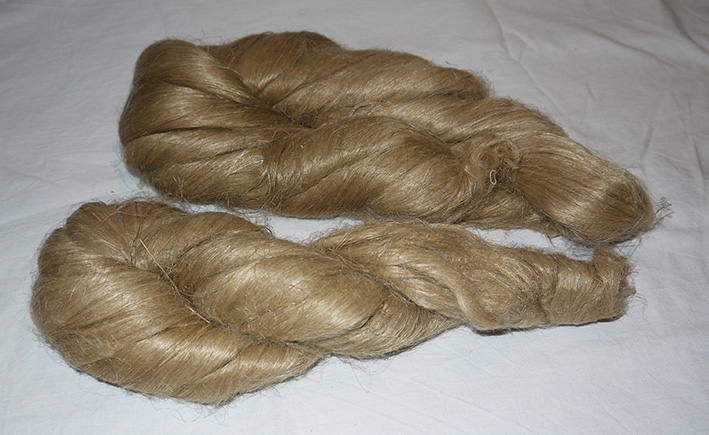
- Flax (Linen): Crisp hand and exceptional strength, a summer classic.
Artificial/Man-made (Regenerated) Fiber
- Rayon: Soft, fluid, and highly absorbent; excellent for drapey blouses or linings.
Synthetic Fibers
- Acrylic: Wool-like feel with easy care, common in knitwear.
- Nylon: Top performer in strength and abrasion resistance—think activewear, hosiery, outerwear.
- Polyester: Workhorse of modern apparel with durability and wrinkle resistance.
- Polyurethane/Spandex: The stretch engine of performance and fashion, typically blended for comfort.
Why This Matters for Sourcing
Knowing these core properties—and being able to verify them with quick tests like burning—helps designers and sourcing teams match fabric to end use.
- Activewear favors strength, elasticity, and low shrinkage (Nylon, Polyester, Spandex).
- Luxury pieces benefit from drape and dye richness (Silk, Rayon, Wool).
- Everyday basics need comfort and durability (Cotton, Polyester blends).
Understanding fiber characteristics is the foundation for your next step: yarn construction, which we’ll cover in the next post of this series.
ApparelX is your global B2B partner for sourcing fabrics, trims, and accessories.
Stay tuned for Part 2: Yarns and Their Impact on Fabric Performance.
ApparelX is a BtoB ecommerce platform for brands, tailors and the like to order from small MOQs from a variety of manufacturers in one order. And we ship worldwide!
Check out our FAQ page, Youtube, and LinkedIn if you have basic questions or looking to stay connected.
Let ApparelX support your production needs through our apparel OEM service!
If you are looking to bulk order, custom order, or have any other questions, contact us through our contact form and a member on the Global Strategy Team will get back to you within the next business day. (Please understand that we are based in Japan and our office hours are 9am-6pm so we are only able to answer during that time).