

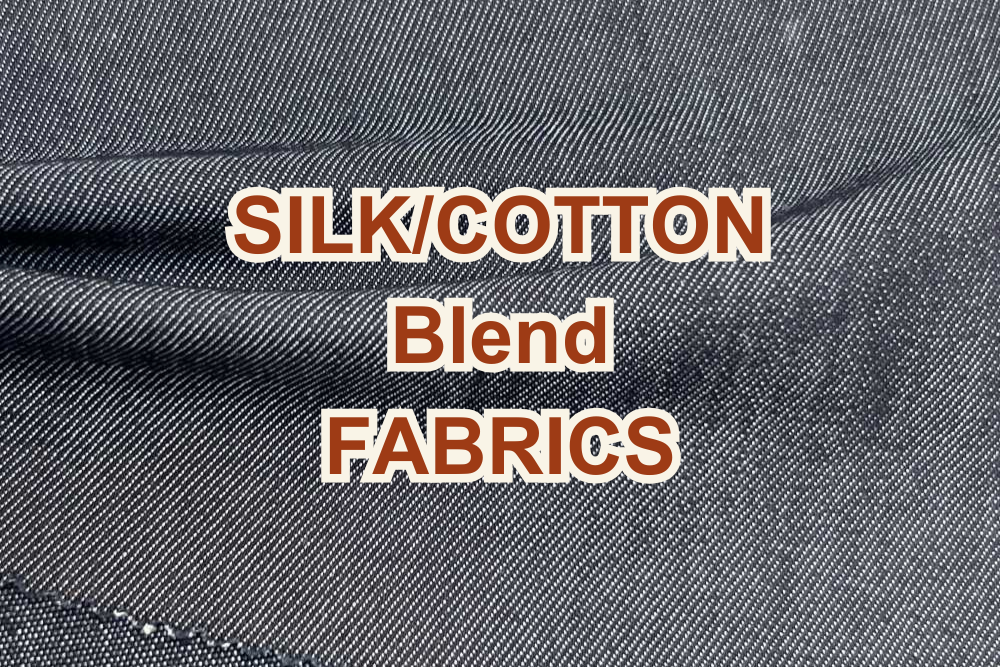
In the world of textiles, few combinations strike a balance between practicality and elegance as well as cotton and silk blends. By combining cotton’s durability and breathability with silk’s natural sheen and smoothness, this hybrid fabric offers both performance and sophistication.
For designers and product developers, cotton–silk blends open up versatile possibilities across apparel categories—from elevated everyday wear to refined occasion pieces.
Why Blend Cotton and Silk?
Blending fibers is not just about cost control. It’s about engineering performance and aesthetics.
Cotton and silk complement each other in key ways:
| Cotton | Silk |
|---|---|
| Breathable | Naturally lustrous |
| Durable | Smooth and soft |
| Easy to care for | Excellent drape |
| Matte finish | Elegant surface sheen |
When blended, the result is a fabric that:
- Feels softer than pure cotton
- Is more structured than pure silk
- Has subtle sheen without excessive gloss
- Maintains better stability than 100% silk
Common Blend Ratios and Their Characteristics
The performance of cotton–silk fabric depends heavily on the blend ratio.
70% Cotton / 30% Silk
- More structure and durability
- Subtle luster
- Suitable for shirts, lightweight jackets, and dresses
50% Cotton / 50% Silk
- Balanced drape and body
- Soft hand feel
- Ideal for blouses and midweight garments
30% Cotton / 70% Silk
- Silk-forward appearance
- Fluid drape
- More delicate, often used for luxury items
Understanding ratio impact is critical during material development.
Fabric Structures in Cotton–Silk Blends
Cotton and silk can be blended in various weave structures, each influencing performance:
Plain Weave
- Lightweight and breathable
- Ideal for summer shirts and dresses
Twill
- Diagonal texture
- Slightly more body and durability
Satin Weave
- Increased surface sheen
- Elegant finish for special-occasion wear
Lawn / Voile
- Ultra-lightweight
- Soft drape with a smooth surface
The weave structure can dramatically change how the blend behaves—even at the same fiber ratio.
Recommended Fabrics on ApparelX
14419


This denim material is made from boulet noil, the waste fibers that are produced when spinning silk thread. It is medium-thick and has a firm, resilient texture. The unique texture and neps of boulet noil enhance its rough, natural look. This fabric is extremely popular and frequently out of stock. We recommend pre-ordering to reserve your desired length.
OAG32169


This is a premium brushed fabric made from delicate, high-quality thread that is a blend of silk and 80-count fine cotton that has been carefully hand-picked. The finish used gives it a wool-like texture and a cashmere-like feel.
Because it is a brushed fabric, it has excellent moisture retention properties and is a high-quality outerwear material that is different from wool.
AN-9269


Made with noil silk thread that has a natural unevenness and nep feel.
It has a used look and a fluffy texture, and also has the moisturizing properties that are unique to silk.


Advantages in Apparel Development
1. Enhanced Comfort
Cotton improves moisture absorption and breathability, reducing the fragility often associated with pure silk.
2. Improved Durability
Silk alone can be delicate. Blending with cotton increases tensile strength and everyday wearability.
3. Controlled Shine
Designers often prefer the understated sheen of cotton–silk blends over the high gloss of pure silk.
4. Seasonal Versatility
These blends work well in spring and summer collections, but twill or satin constructions can also transition into fall.
Things to Consider Before Production
While cotton–silk blends offer many benefits, there are important technical considerations:
Shrinkage Behavior
Cotton and silk react differently to washing and heat. Pre-production testing is essential.
Dye Absorption
Both fibers absorb dyes differently, which can affect color depth and uniformity.
Care Instructions
Depending on ratio and weave, dry cleaning may still be recommended—even if cotton content is high.
Cost Positioning
Silk content increases material cost. Designers must balance luxury appeal with target price point.
Typical Product Applications
Cotton–silk blends are commonly used in:
- Blouses and shirts
- Lightweight dresses
- Skirts
- Scarves
- Luxury casualwear
- Lining materials (in certain constructions)
They are particularly popular in brands seeking a premium yet wearable identity.
Cotton–Silk vs. Other Luxury Blends
Compared to other blends:
- Silk–polyester: More affordable, less breathable
- Silk–wool: Warmer, more suitable for tailoring
- Cotton–linen: More rustic texture, less sheen
Cotton–silk sits in the middle—refined but approachable.
Final Thoughts
Cotton and silk blends represent a thoughtful material choice for brands looking to combine natural comfort with understated luxury. The key lies in understanding how fiber ratio and weave structure influence performance, appearance, and production behavior.
When selected carefully, cotton–silk fabrics can elevate everyday garments into premium pieces while maintaining practical wearability.
ApparelX is a BtoB ecommerce platform for brands, tailors and the like to order from small MOQs from a variety of manufacturers in one order. And we ship worldwide!
Check out our FAQ page, Youtube, and LinkedIn if you have basic questions or looking to stay connected.
Let ApparelX support your production needs through our apparel OEM service!
If you are looking to bulk order, custom order, or have any other questions, contact us through our contact form and a member on the Global Strategy Team will get back to you within the next business day. (Please understand that we are based in Japan and our office hours are 9am-6pm so we are only able to answer during that time).