
Category: Industry
All things apparel and fashion industry related
-
Sewing Threads: Professional Considerations for Apparel Production
In our previous article, we introduced major Japanese sewing thread manufacturers and their general positioning within the industry.In this follow-up, we take things one step further. This Sewing Threads guide focuses on how professionals actually select threads in real production environments—considering seam performance, machine compatibility, fabric behavior, and long-term product durability. 1. Thread Selection Is Read more
-
Essential Tips for Launching a Kids’ Apparel Line
Design Points for “Safety, Comfort, and Independence” Using Buttons and Zippers *translated by Haruna from a blog written by Kimura, an ApparelX Domestic Delivery team member. See the original in Japanese, here. Lately, I’ve been arranging many colorful, pop-tone materials, and they often remind me of children’s clothing.A bit of background—during college, I worked for Read more
-
Textile Fundamentals Series: Other Fabrics
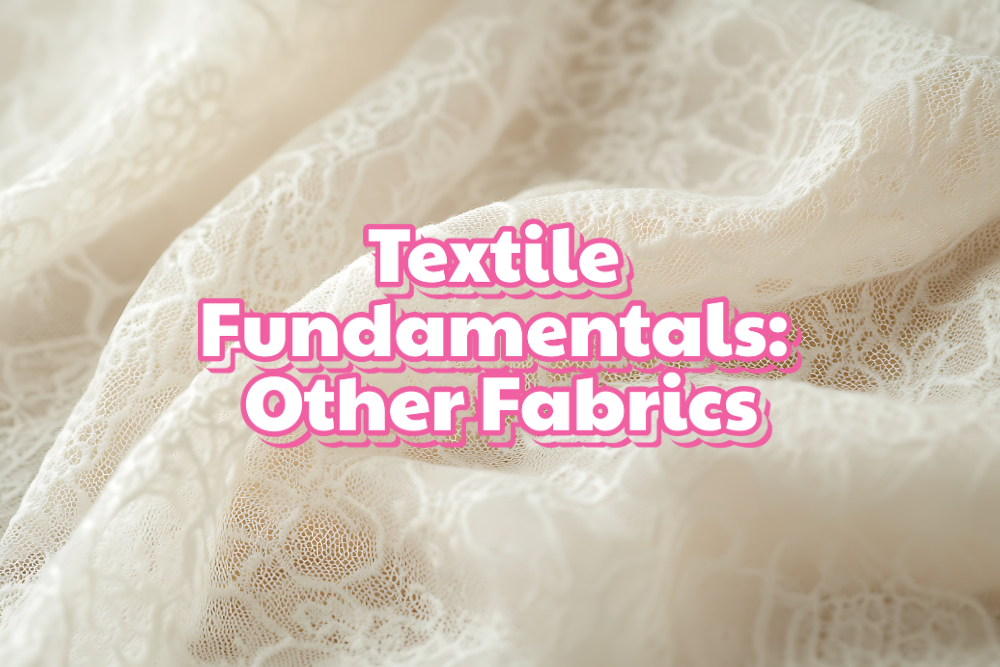
Part 5 of “Basics of Fiber, Yarn, and Fabric” Beyond woven and knitted textiles, there are other important categories used widely in fashion, accessories, and industrial applications. This section introduces nets, lace, nonwoven/felt, and leather, explaining their structures, characteristics, and sourcing considerations. 1. Net Fabrics Structure:Net fabrics are made by looping, knotting, or twisting yarns Read more
-
Textile Fundamentals Series: Knitted Fabrics
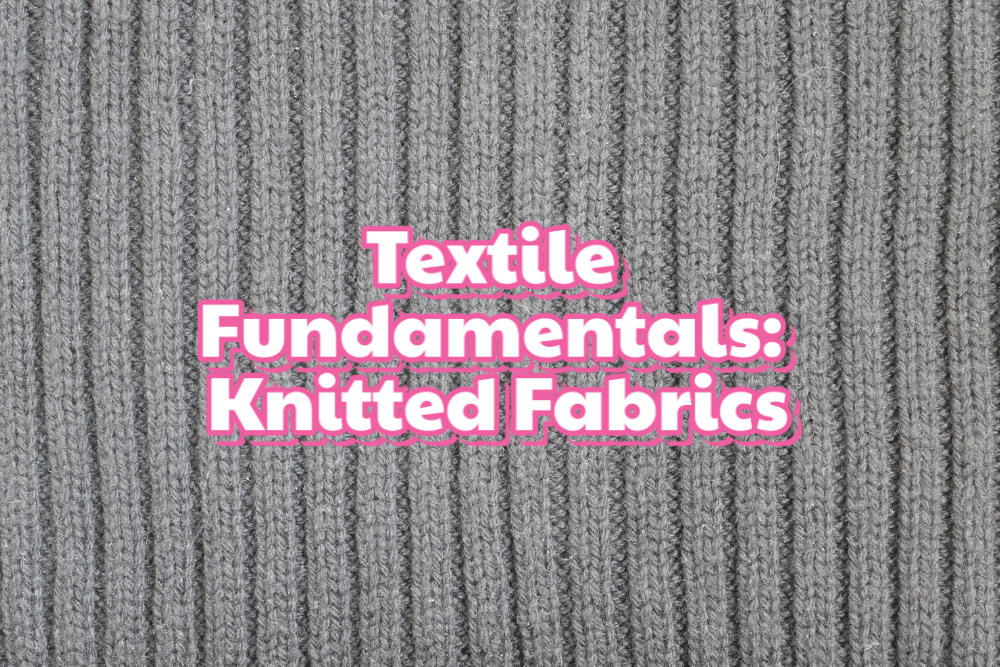
Part 4 of “Basics of Fiber, Yarn, and Fabric” Knit fabric is formed by interlooping yarns, giving natural stretch, softness, and excellent drape.Understanding knit construction is essential for sourcing the right fabric or finished knitwear. Types of Knitting 1. Machine-Knitting Methods Method Key Points Typical Applications Weft Knitting One yarn forms horizontal rows (courses). Loops Read more
-
Textile Fundamentals Series: Woven Fabrics
Part 3 of “Basics of Fiber, Yarn, and Fabric” Woven fabrics are created by interlacing two sets of yarns—warp (lengthwise) and weft (crosswise)—at right angles.The way these yarns intersect determines the look, durability, and hand of the fabric. Core Weave Types Weave Structure & Appearance Common Uses Plain Each weft passes over one warp and Read more
-
Textile Fundamentals Series: Understanding Yarn Construction
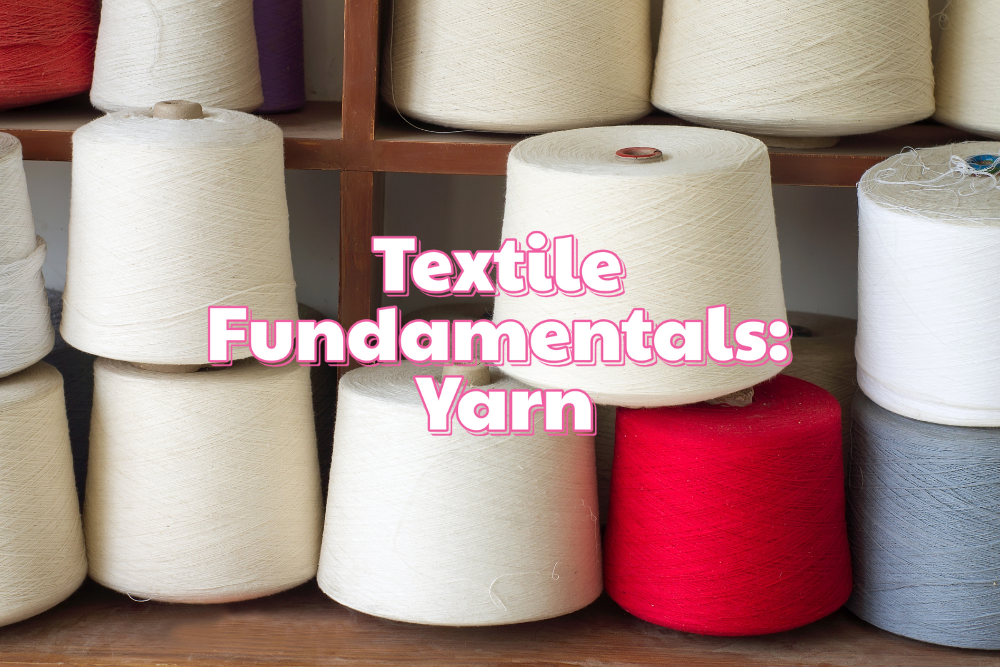
Part 2 of our “Basics of Fiber, Yarn, and Fabric” series Once fibers are produced, they must be turned into yarn—the continuous strand of fibers used for knitting or weaving. Yarn construction directly affects the hand, drape, durability, and overall performance of the final fabric. What Is Yarn? Yarn is a continuous strand of fibers Read more
-
Textile Fundamentals Series: Understanding Fibers
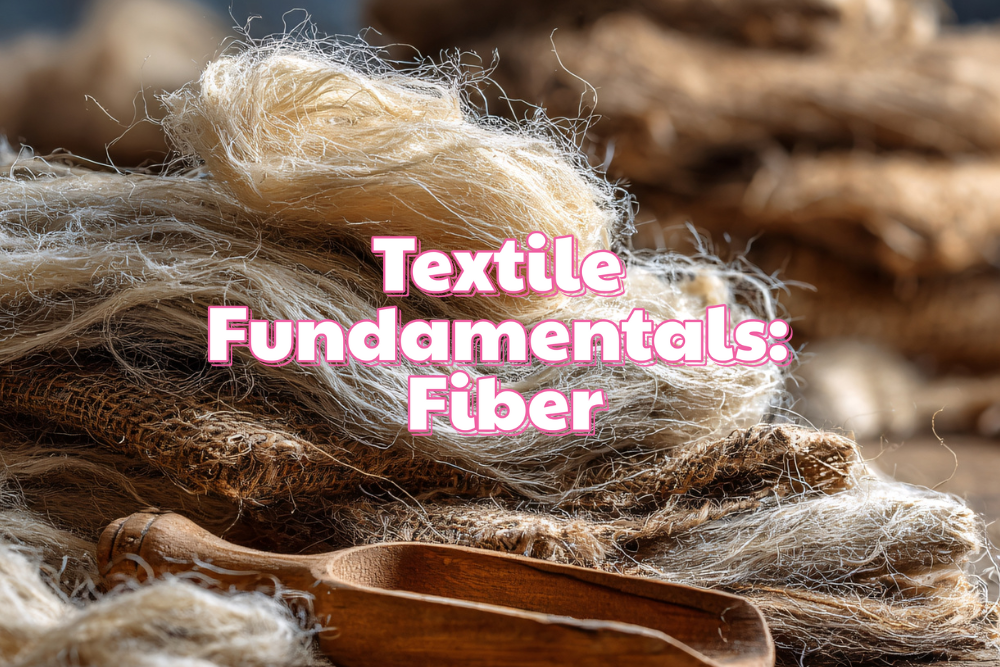
First in our “Basics of Fiber, Yarn, and Fabric” series Selecting the right material starts with understanding fiber—the building block of every fabric.Fibers fall into three main groups: Below is a professional, at-a-glance guide to nine key apparel fibers and how they perform in strength, abrasion resistance, drape, elasticity, shrinkage, dye absorption, and antistatic behavior. Read more
-
What are the different types of Fabric Finishing?
How Post-Processing Shapes the Final Fabric When it comes to apparel, fabrics aren’t usually complete right after they’re woven or knitted. In most cases, they go through an additional stage called finishing (or post-processing). This step determines the final hand feel, appearance, and performance of the fabric. Even with the same fiber content, fabrics can Read more
-
What’s the difference between Velvet, Velveteen, and Velour?
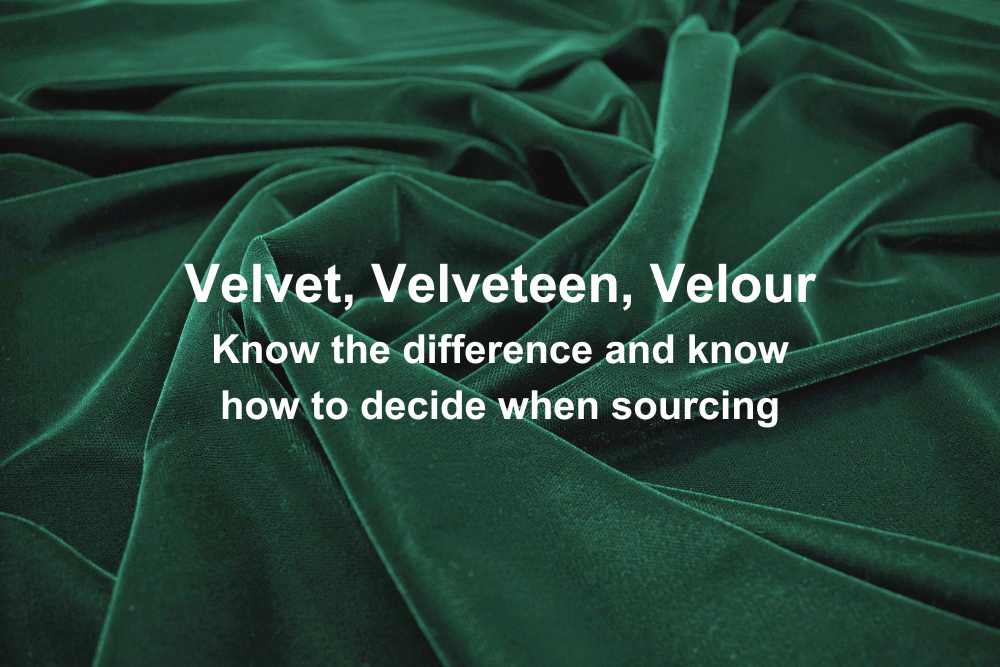
And how do you decide when sourcing? For brands and developers working with pile fabrics, knowing whether to specify velvet, velveteen, or velour isn’t just about aesthetics — you need to consider performance, price point, production compatibility, and end-user expectations. While often grouped together for their surface texture, these textiles behave very differently in the Read more
-
Let’s take a look at what kind of fabric Organza is!
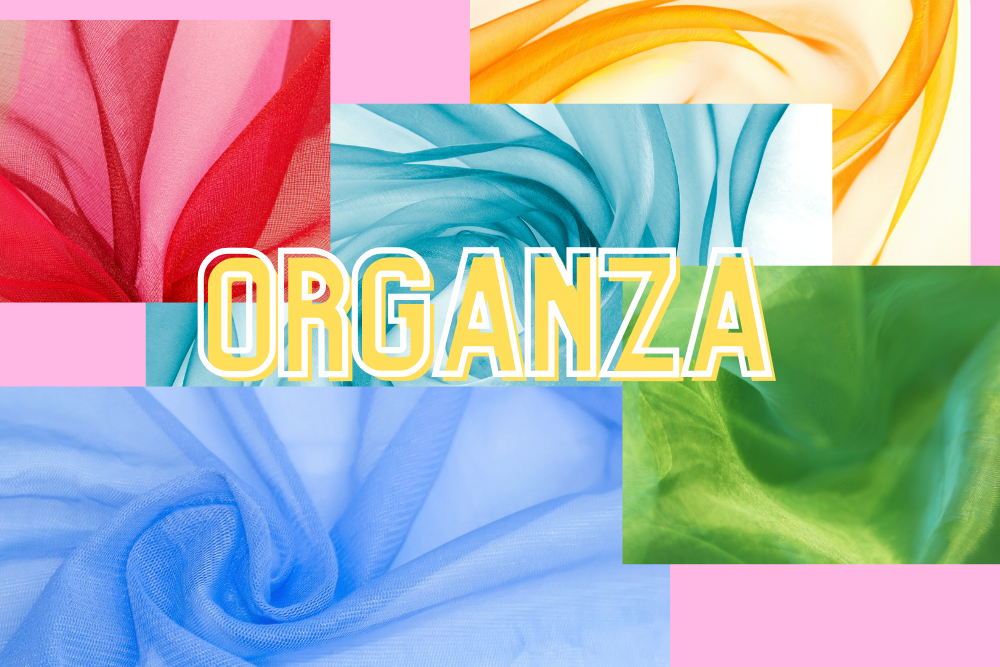
You may know organdy to be like organza, some of you may think that they are the same just another name. However, organdy (also spelled as organdie) is cotton, while organza, traditionally made from silk, are now often made from man-made fibers like polyester, nylon, and rayon. What is Organdy/Organza Fabric ? Organdy (Organdie) is Read more